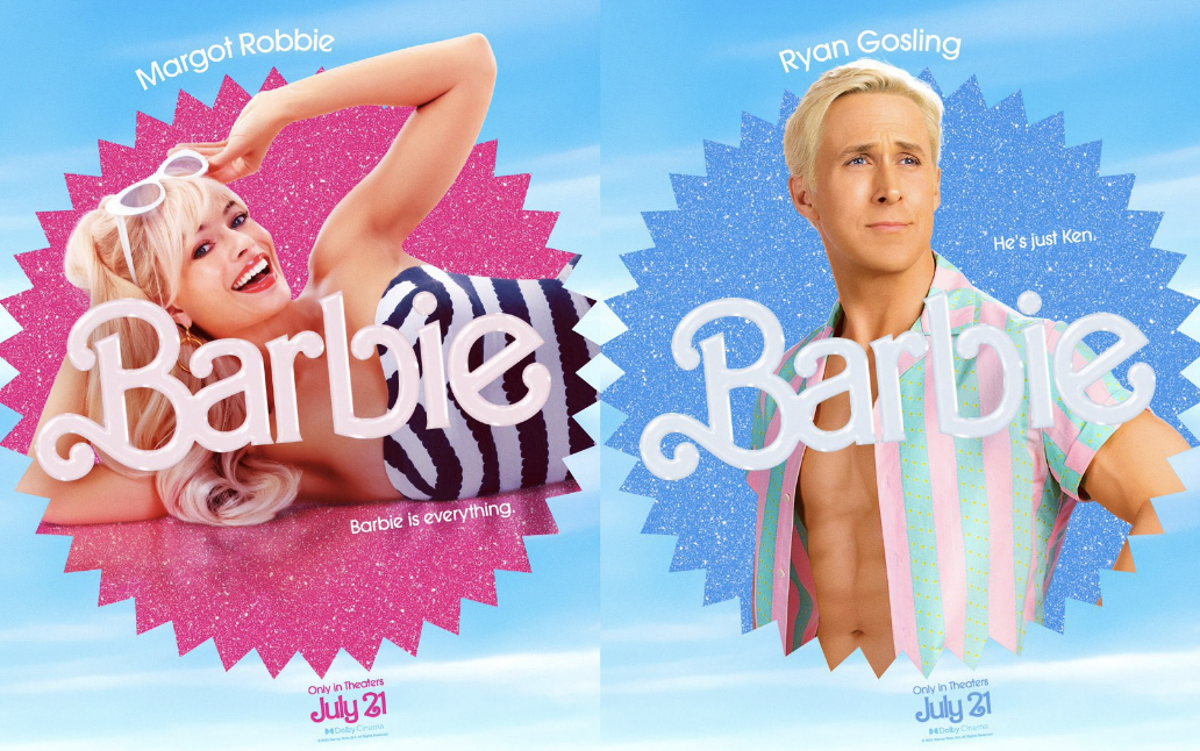
Barbie (2023): A case study in modern public relations
The Barbie film is a culmination of decades of strategic PR efforts.
Mattel has spent decades reshaping the Barbie brand, and it shows. What started as a doll often criticized for narrow beauty standards evolved into something more reflective of modern values, with a stronger focus on representation and empowerment. As Hawthorne strategy puts it, this shift did not happen overnight. It’s the result of years of intentional public relations efforts. The 2023 Barbie film builds on that foundation, reinforcing everything Mattel has been working toward while introducing the brand to a new generation. Rather than standing on its own, the film feels like the payoff of a long-term PR strategy designed to keep Barbie relevant. In this article, we look at the best and most effective strategies Mattel utilized throughout Barbie’s press tour.
Brand partnerships galore
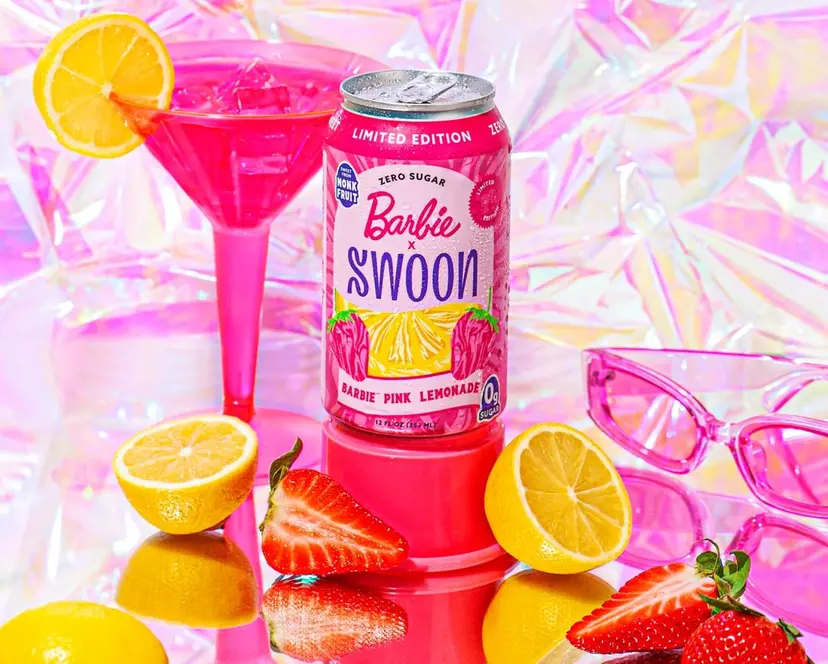
One of the most noticeable strategies in the rollout was Mattel’s use of brand partnerships. Collaborations with companies like Airbnb, Crocs and Zara put Barbie everywhere, not just movie theaters. Those partnerships became media stories themselves, gaining traction across social platforms and news coverage. Modern Retail even describes the campaign as “Barbie fever,” where the brand becomes hard to avoid. These partnerships do more than promote products. They generate conversation, create visibility and help Barbie show up in places audiences already spend their time.
Consistent messaging
A key factor in the campaign’s success was Mattel’s use of consistent messaging. Throughout trailers, social media content and press appearances, the campaign emphasized over and over themes of self-awareness, empowerment and modern identify. . Research on the campaign’s strategy shows how consistent messaging across platforms reinforces a clear identity. Other studies highlight how themes like empowerment and self-awareness influence how audiences view the brand. Through press interviews, storytelling and coordinated messaging, Barbie is presented as both self-aware and forward thinking.
Public engagement and building community
Public engagement and building community
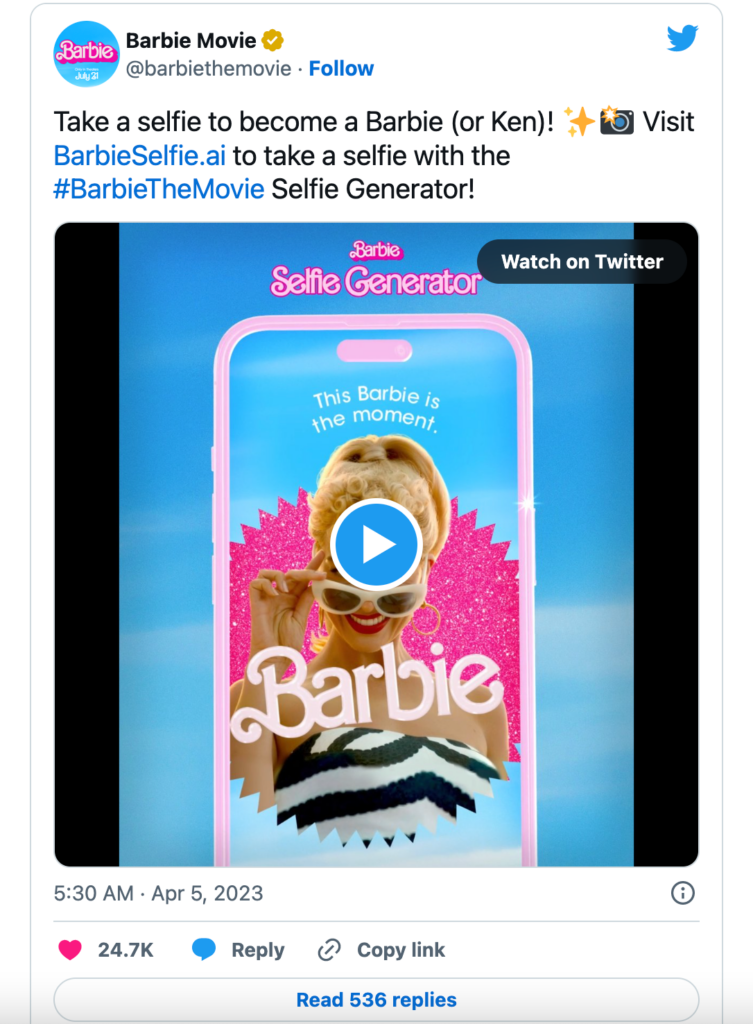
At the same time, Mattel focuses heavily on public engagement by inviting people to be part of the campaign. The Barbie Selfie Generator is a perfect example. This allowed users to place themselves into Barbie-style posters and share them online. PRSA notes that tools like this create a shared experience, making audiences feel involved rather than targeted. Research on Barbie-related conversations across Facebook and Instagram backs this up, showing just how much discussion the campaign sparked. This kind of interaction reflects a core idea in public relations: creating space for people to respond and participate.
The Barbie movie campaign is a strong example of what effective public relations can do. Through partnerships, engagement and careful messaging, Mattel turns a movie release into something much bigger. It strengthens its relationship with audiences and reinforces how the brand continues to evolve. More than anything, it shows that Barbie’s success is more about strategy than nostalgia.
###
Podcast episode: Extra Questions
###
About the author
Alexis Dubree is a growing PR and social media professional in the Dallas-Fort Worth Metroplex area. She will be graduating from the University of North Texas in May 2026 with a bachelor’s degree in journalism with a concentration in public relations. Alexis hopes to one day pursue a career in analytics.